Electric Vehicle Buying Guide 2026 — Everything You Need to Know
Complete electric vehicle buying guide for 2026. Compare range, charging, costs, tax credits, and the best EVs at every price point. Make an informed EV purchase decision.
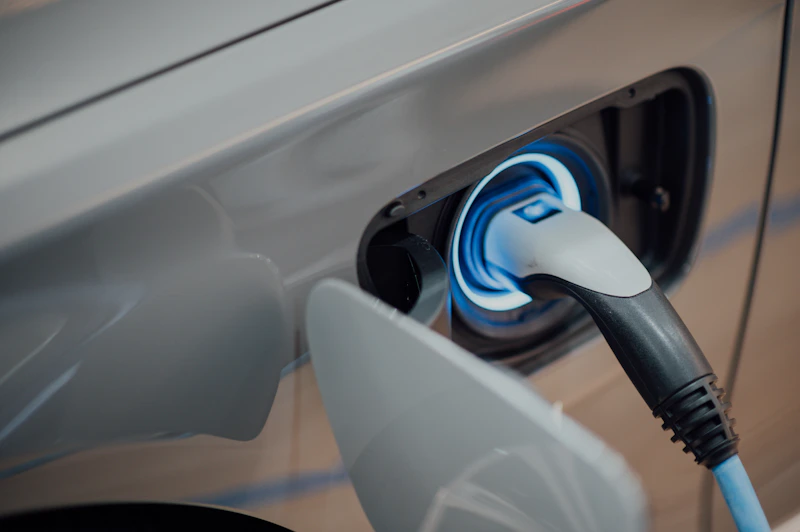
Introduction
The electric vehicle market in 2026 is unrecognizable from just a few years ago. Range anxiety is fading, charging infrastructure has expanded dramatically, and there are compelling EVs at virtually every price point. Whether you're buying your first EV or upgrading from an older model, this guide covers everything you need to consider.
Key Factors When Buying an EV
1. Range
How far can you drive on a single charge? In 2026, most new EVs offer 250-400 miles of EPA-rated range.
Reality check: Real-world range is typically 10-20% lower than EPA estimates, especially in:
- Cold weather (can drop 20-40%)
- Highway driving at 70+ mph
- Using climate control (heat is more impactful than A/C)
How much range do you actually need?
- 90% of Americans drive <50 miles per day
- 250 miles is sufficient for most drivers with home charging
- 300+ miles provides comfortable road trip capability
- 400+ miles eliminates range anxiety entirely
2. Charging
Level 1 (120V home outlet): 3-5 miles of range per hour — emergency only
Level 2 (240V home charger): 25-40 miles per hour — the daily standard
- Cost: $500-1,500 for charger + installation
- Overnight charging: Fully charges most EVs
- Recommendation: Essential for EV ownership if you have a garage/driveway
DC Fast Charging (Level 3): 150-350+ kW — road trip charging
- 10-80% in 15-30 minutes on the fastest chargers
- Tesla Supercharger network: Now open to all EVs via NACS connector (standard in 2026)
- CCS chargers: Expanding network (Electrify America, ChargePoint, EVgo)
- Cost: $0.30-0.50/kWh (roughly equivalent to $3-5/gallon gas for efficiency)
3. Total Cost of Ownership
Purchase price is just one factor. Consider:
- Fuel savings: EVs cost $0.03-0.05/mile in electricity vs. $0.10-0.15/mile for gas
- Maintenance savings: No oil changes, brake pads last 2-3x longer (regenerative braking), fewer moving parts
- Insurance: Often 10-20% higher than comparable gas cars (repair costs for EVs are higher)
- Depreciation: EVs depreciate faster currently, but this is normalizing
- Tax credits: Federal $7,500 credit (income and price caps apply), plus state incentives
Typical 5-year TCO advantage: $5,000-15,000 cheaper than comparable gas vehicle
4. Charging at Home vs. Apartment/Condo
Homeowners: Install a Level 2 charger — this makes EV ownership seamless Apartment/condo dwellers: More challenging but increasingly feasible:
- Workplace charging (growing rapidly)
- Public Level 2 near home (libraries, shopping centers)
- DC fast charging for weekly top-ups
- Many new apartments include EV charging
Best EVs by Category in 2026
Best Affordable EV: Chevrolet Equinox EV ($33,000)
- 319 miles range
- Spacious interior, practical SUV form
- Android Automotive infotainment
- Good value with available tax credits
Best Mid-Range Sedan: Tesla Model 3 Highland ($39,000)
- 341 miles range
- Tesla Supercharger network advantage
- Excellent autopilot/FSD capabilities
- Over-the-air updates
- Strong resale value
Best Mid-Range SUV: Hyundai Ioniq 5 N ($52,000)
- 310 miles range with performance focus
- 0-60 in 3.4 seconds
- 800V architecture (ultra-fast charging: 10-80% in 18 min)
- Fun driving dynamics
Best Luxury: BMW i5 ($60,000)
- 340+ miles range
- Premium interior quality
- Balanced driving dynamics
- Strong tech integration
Best Truck: Ford F-150 Lightning ($50,000)
- 320 miles range (extended battery)
- Pro Power Onboard: Vehicle-to-home power backup
- Truck utility with EV benefits
- Huge frunk (front trunk)
Best Value: Nissan Ariya ($36,000)
- 304 miles range
- Comfortable ride
- Good standard features
- Solid value proposition
Best Long Range: Mercedes EQS ($85,000)
- 420+ miles range
- Ultimate luxury EV experience
- Hyperscreen dashboard
- Superior ride comfort
Understanding EV Batteries
Battery Types
- LFP (Lithium Iron Phosphate): Cheaper, longer-lasting, charge to 100% daily. Used in base Tesla models, some Chinese EVs
- NMC (Nickel Manganese Cobalt): Higher energy density = more range per weight. Used in most premium EVs
- Solid-state (emerging): Toyota and others promise 2x density by 2028-2030
Battery Degradation
- Modern EV batteries retain 80-90% capacity after 200,000 miles
- Most manufacturers warranty batteries for 8 years / 100,000 miles
- Tesla data shows ~12% degradation at 200,000 miles
- LFP batteries degrade slightly slower than NMC
Battery Size and Range
| Battery Size | Typical Range | Best For |
|---|---|---|
| 40-50 kWh | 150-200 miles | City commuters |
| 60-75 kWh | 250-300 miles | Most drivers |
| 80-100 kWh | 300-400 miles | Road trippers |
| 100+ kWh | 400+ miles | Maximum range |
Tax Credits and Incentives (US, 2026)
Federal Tax Credit: Up to $7,500
- New EVs: Up to $7,500 if assembled in North America with qualifying battery materials
- Used EVs: Up to $4,000 for vehicles under $25,000 purchase price
- Income limits: $150K (single), $300K (married filing jointly) for new; $75K/$150K for used
- MSRP caps: $55K for cars, $80K for SUVs/trucks
State Incentives
Vary widely — check your state's offerings:
- California: Clean Vehicle Rebate
- Colorado: $5,000 state tax credit
- New Jersey: Sales tax exemption
- Many states offer additional rebates, HOV lane access, reduced registration fees
Utility Incentives
- Many utilities offer $500-1,000 rebates for Level 2 charger installation
- Time-of-use electricity rates reward overnight charging
- Some utilities offer special EV rate plans
Charging Infrastructure in 2026
The Network
- Tesla Supercharger: 30,000+ locations, NACS standard adopted by most manufacturers
- Electrify America: 1,800+ locations, 150-350 kW
- ChargePoint: 70,000+ Level 2 locations
- EVgo: Major urban fast charging network
- NEVI Program: Federal investment adding thousands of stations along highways
Road Trip Feasibility
In 2026, road trips in an EV are practical across the continental US:
- Major interstate corridors well-covered
- 15-30 minute stops every 200-250 miles
- Route planners (A Better Route Planner, Tesla navigation) optimize stops automatically
- Most drivers find charging stops align naturally with rest/meal breaks
Common Concerns Addressed
"What about winter range loss?"
- Yes, cold weather reduces range by 20-40%
- Heat pumps (standard on most 2026 EVs) minimize this impact
- Pre-conditioning while plugged in helps enormously
- Battery thermal management systems keep batteries in optimal temperature range
"What if the power goes out?"
- Home solar + battery (Tesla Powerwall, etc.) provides backup
- V2H (vehicle-to-home) capable EVs can power your house for days
- Gas stations also don't work without power
"Are EVs really greener?"
- Lifecycle analysis: EVs produce 50-70% fewer emissions than gas cars over their lifetime
- Even on coal-heavy grids, EVs are cleaner than ICE vehicles
- As the grid gets greener, the advantage grows
- Battery recycling industry is scaling rapidly
"What about repair costs?"
- Routine maintenance is cheaper (no oil changes, long-lasting brakes)
- Collision repair can be expensive (battery damage, specialized parts)
- Choose manufacturers with good service networks
- Extended warranties available for peace of mind
Conclusion
2026 is an excellent time to buy an electric vehicle. Range has reached practical levels for virtually all use cases, charging infrastructure covers major corridors, prices have come down significantly, and total cost of ownership favors EVs for most drivers.
The key decisions: determine your range needs, ensure you have charging access (ideally at home), and take advantage of available tax credits. The rest is about choosing the right vehicle for your lifestyle and budget.
The electric transition isn't coming — it's here. And it's better than you think.
Related Reading
관련 글
Self-Hosting vs Cloud — Which Is Actually Cheaper in 2026?
2월 20일 · 8 min read
AI ToolsAI Coding Assistants Comparison 2026 — Copilot vs Cursor vs Claude Code
2월 20일 · 8 min read
StorageBest NVMe SSDs in 2026 — Reviews, Benchmarks, and Buying Guide
2월 20일 · 7 min read
LaptopsBest Budget Laptops Under $1000 in 2026 — Top Picks for Every Need
2월 20일 · 8 min read